01
It begins with rag.
Cotton rag is sorted by hand — unwanted material, colour and dust removed — then chopped into small, even pieces ready for the pulp.

Before a single word is written, there is a sheet. Here is how cotton rag becomes the paper of a Pinnacle diary — made slowly, by hand.
01
Cotton rag is sorted by hand — unwanted material, colour and dust removed — then chopped into small, even pieces ready for the pulp.
02
The sorted rag is churned with water in a beater until its fibres break down into a soft, even pulp.
03
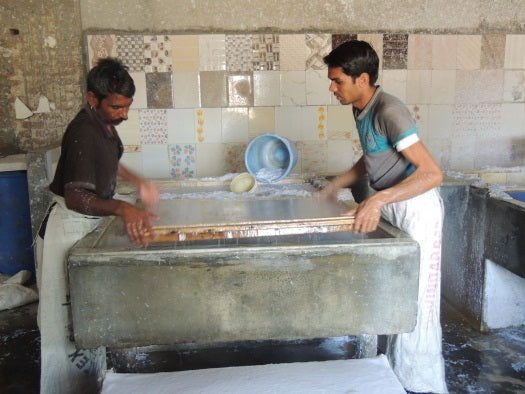
Diluted pulp is lifted on a mould and shaken evenly — in one steady motion, floating fibre settles into a single sheet.
04
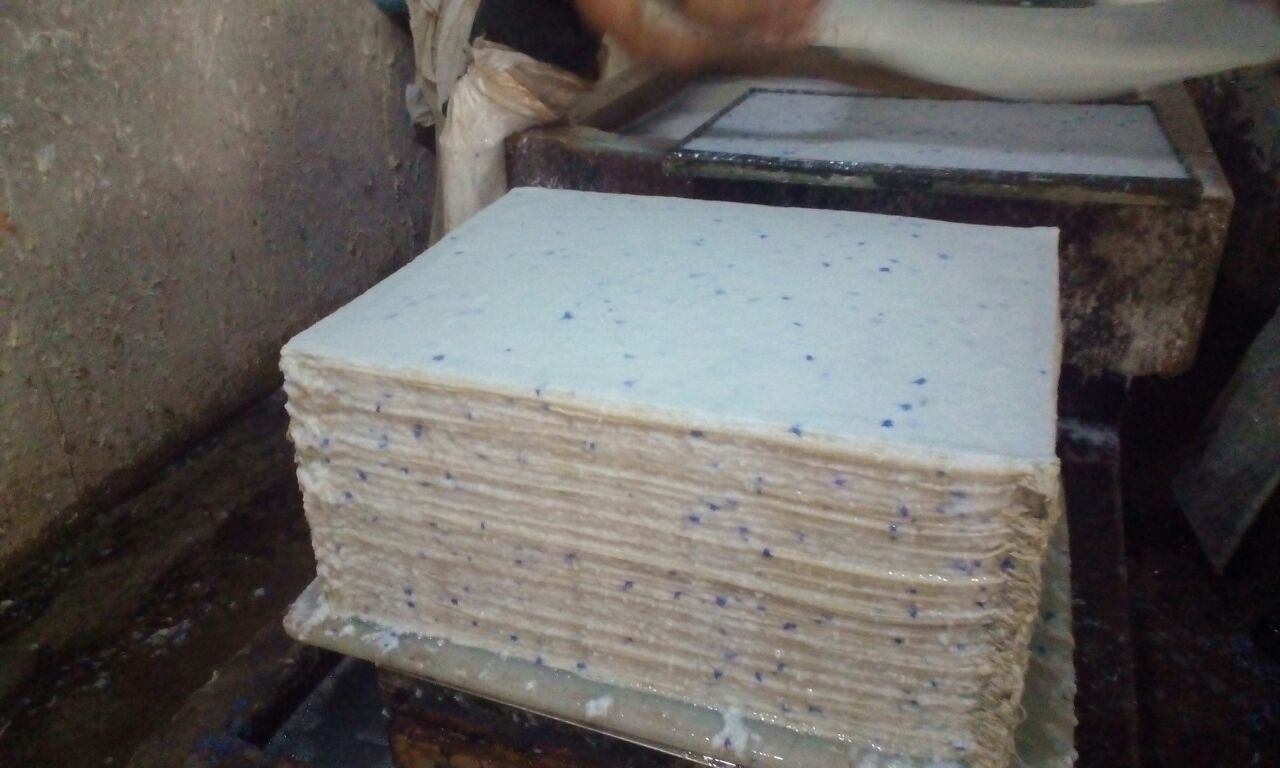
Each wet sheet is transferred onto cloth and stacked — interleaved, then pressed to draw the water gently out.
05
The sheets are hang-dried in open air, losing their moisture slowly and taking their final character from the room.
06
Specks are picked out by hand, the paper is starch-coated and calendared smooth, then trimmed from its raw deckle edge to a standard 56 × 76 cm sheet.

The mould is dipped straight into a vat of diluted pulp, shaken evenly, and lifted out with the sheet formed on top.

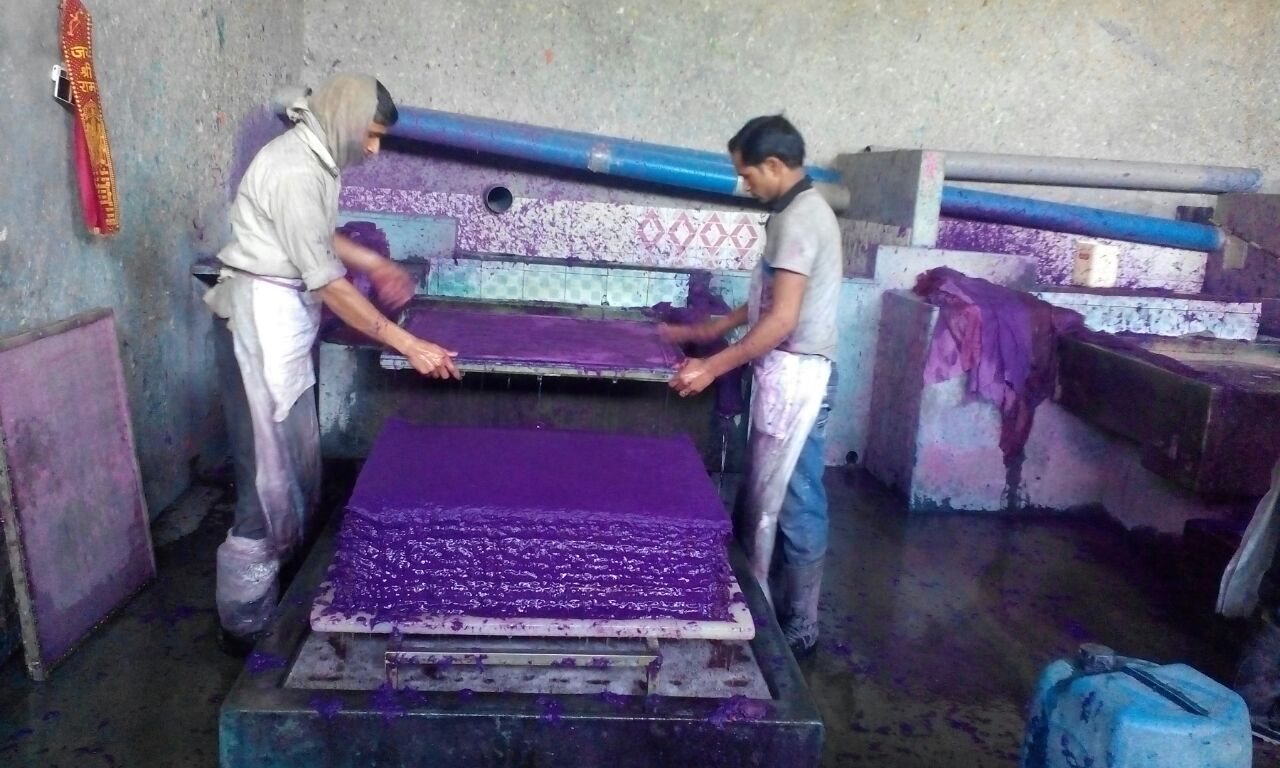
A measured pour of pulp is spread onto a mould clamped between two deckles, then raised to drain — here, in deep colour.

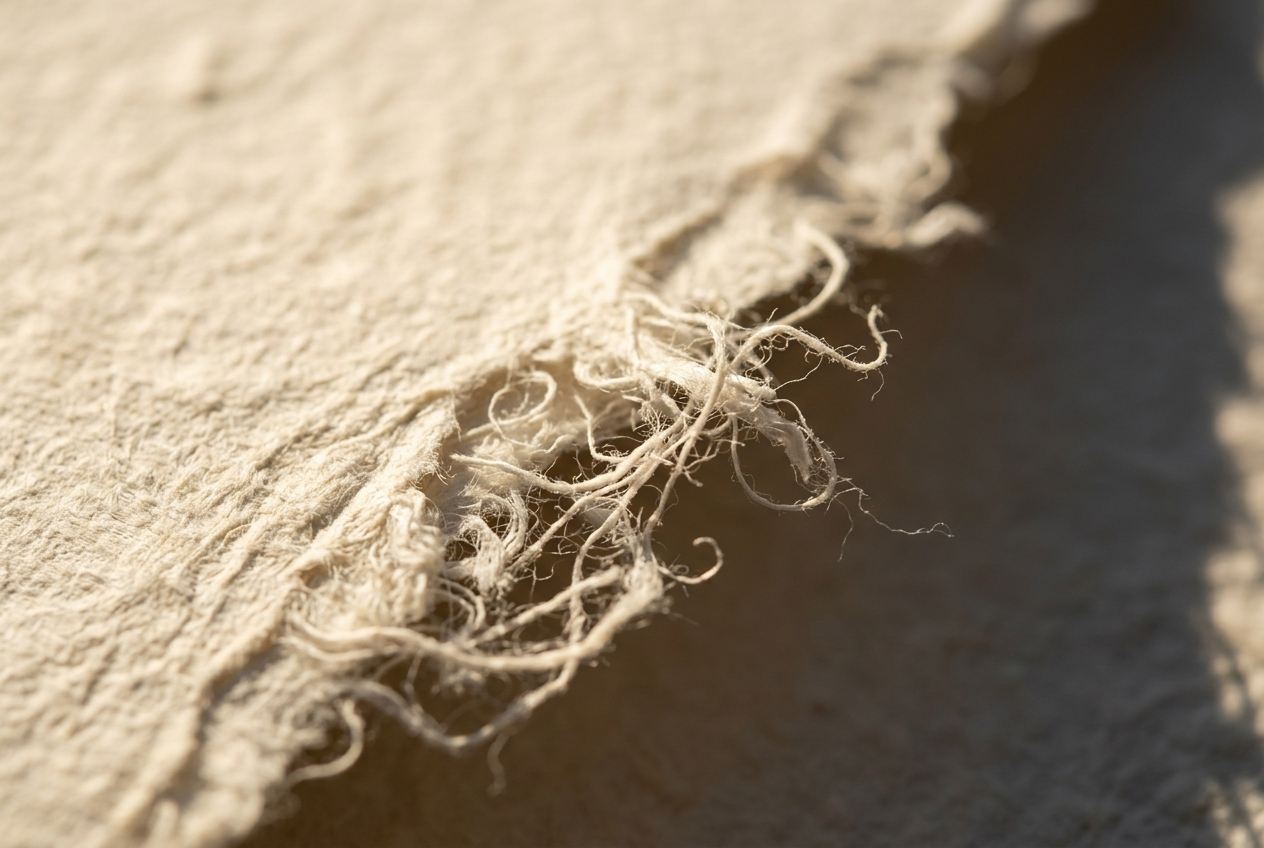
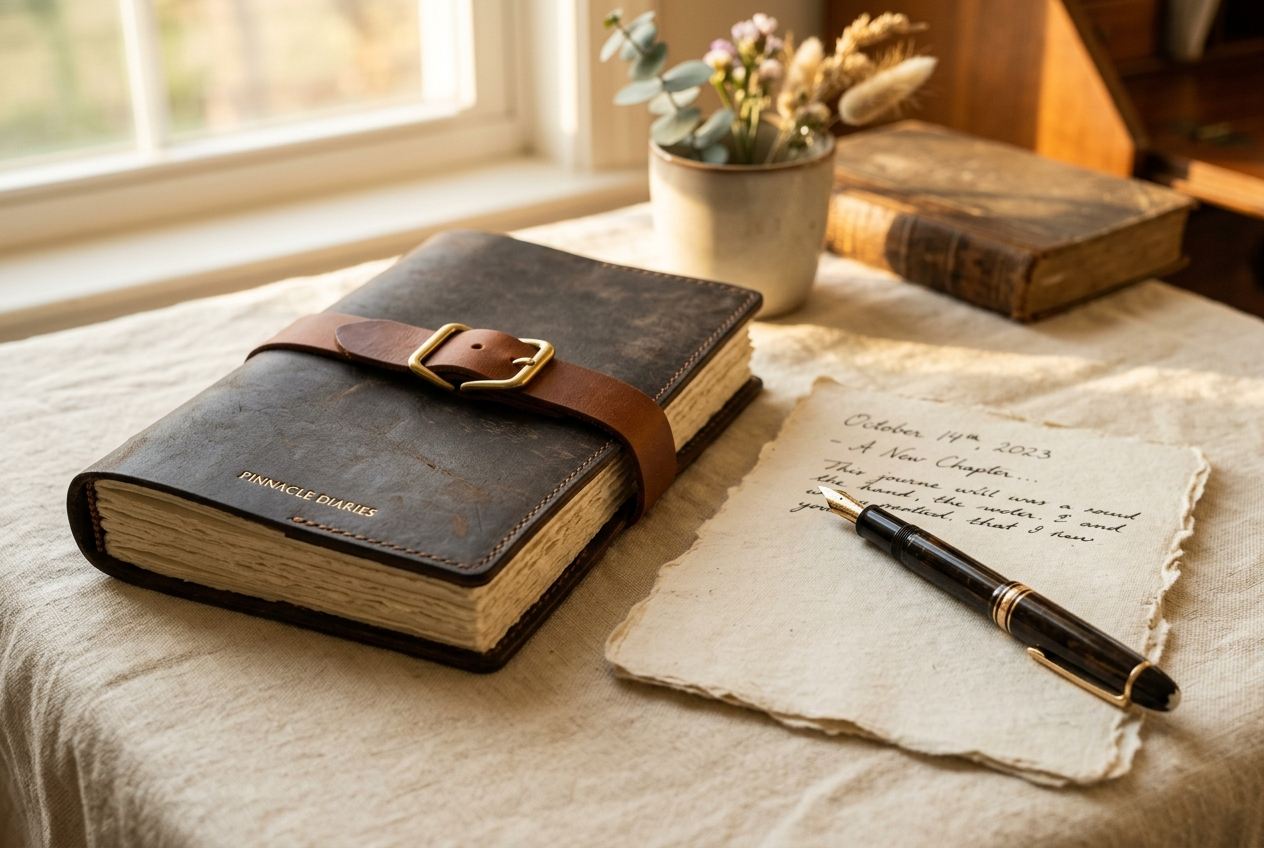
That soft, feathered border is the fingerprint of handmade paper — the place where fibre met water and was never forced into a perfect line.
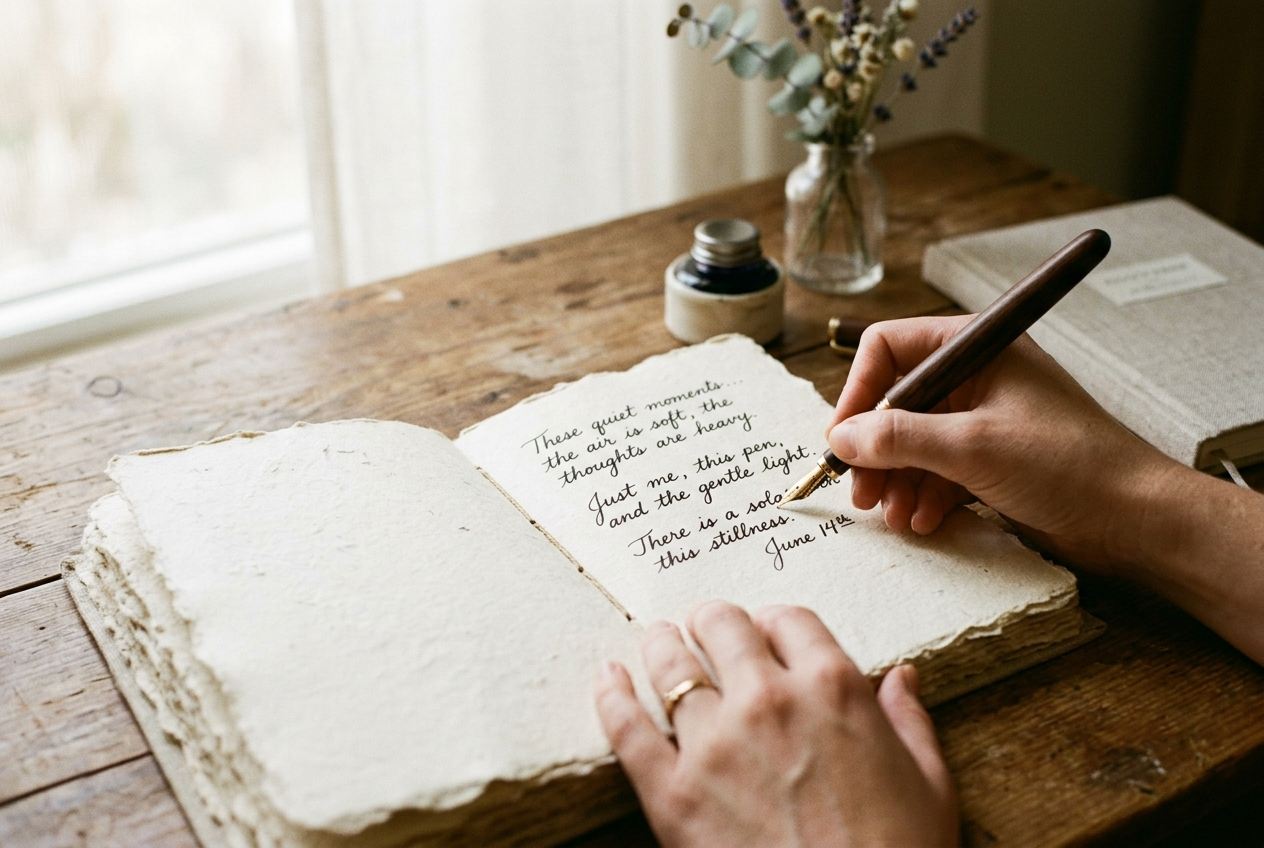
Bound by hand into a Pinnacle diary, the sheet finishes its journey the moment your pen touches it. The craft was ours. The story is yours to write.


Every Pinnacle journal carries this same handmade spirit. Find the one that is waiting for your first line.
Explore the Journals